Frost dates for ZIP 85043 (Phoenix, AZ)
Average last spring and first fall frost dates with 10%, 50% and 90% odds, from NOAA's 1991–2020 climate normals for the nearest weather station, Laveen 3 SSE, AZ (7 miles away).
Freezes are uncommon here
NOAA's normals for this station show a 32°F night in about 84% of years (about 6 freezing night(s) a year on average). The dates below describe freeze timing for the station's record; in many years there may be no 32°F freeze at all.
- Average last spring frostJan 1450% chance of a 32°F freeze after this date
- Average first fall frostDec 2250% chance of a 32°F freeze by this date
- Growing season (frost-free)343 daysmedian, 32°F threshold
- USDA hardiness zone9b25 to 30°F avg. coldest night
This week in your yard
As of Oct 18, 2026, from your frost dates, zone and soil temperature. Lawn timing · Vegetables · Pruning · Plants
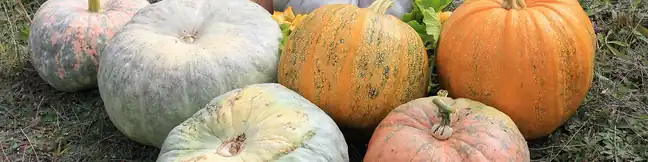 Fall in zone 9b

Freezes are uncommon here, so frost-based timing is rough. Local extension calendars for frost-free areas use months.
Soil temperature now
2-inch depth
No soil station with a fresh reading within 62 miles.
4-inch depth
No soil station with a fresh reading within 62 miles.
Fall: Texas A&M AgriLife times fall pre-emergent (for winter weeds such as annual bluegrass) to soil cooling to about 70°F for several days. The 50–55°F band is the spring trigger. Always read and follow the product label.
7-day forecast and frost risk
The latest National Weather Service 7-day forecast and any Frost Advisory or Freeze Warning for 85043 load here. You can also open the NWS forecast for this ZIP.
Pre-emergent
No soil reading near this ZIP. Typical extension timing for your region: spring late January to February; fall September to October.
Fertilizer window
Lawn region: Arid Southwest (low desert). Timing only; always follow the product label.
- Bermudagrass (warm-season): Spring: Several weeks after the lawn is fully green (April–May) (about Mar 1 here, using green-up about 3–4 weeks after your average last frost); Summer: Every 4–6 weeks through mid-August (heaviest feeder of the group); Late: Light, low-nitrogen/high-potassium feeding about 4 weeks before first frost, or skip. Avoid: Heavy late-fall nitrogen (linked to spring dead spot).
- Perennial ryegrass (cool-season): Early fall: September; Late fall: October–November; Overseeded Bermuda: Light feeding once the winter rye is established, if needed. Avoid: Summer feeding.
Plant now
- Lettuce: fall sowing Oct 13–Nov 10
- Kale: fall transplant Sep 29–Oct 27
- Collards: fall transplant Sep 29–Oct 27
- Kohlrabi: fall sowing Oct 13–27
- Swiss chard: fall sowing Oct 13–27
- Beet: fall sowing Oct 13–27
- Turnip: fall sowing Oct 13–27
- Green onion / scallion: fall sowing Oct 13–27
- Strawberry (plants): fall transplant Oct 13–Nov 10
Coming up in the next 3 weeks
- Pepper (sweet and hot): start seeds indoors Nov 5–19
- Eggplant: start seeds indoors Nov 5–19
- Lettuce: fall transplant Oct 27–Nov 17
- Spinach: fall sowing Oct 27–Nov 17
- Broccoli: start seeds indoors Nov 5–19
- Cabbage: start seeds indoors Nov 5–19
- Cauliflower: start seeds indoors Nov 5–19
- Brussels sprouts: start seeds indoors Oct 22–Nov 5
- Bok choy / Asian greens: fall sowing Oct 27–Nov 10
- Arugula: fall sowing Oct 27–Nov 24
- Mustard greens: fall sowing Oct 27–Nov 10
- Onion (bulbing): start seeds indoors Oct 22–Nov 5
Prune now
No frost-timed pruning windows are open this week.
Spring-flowering shrubs are pruned right after their flowers fade, not by date. See the pruning guide.
Last spring frost odds
| Chance of a 32°F freeze after this date | Date |
|---|---|
| 90% (early: most years still freeze after this) | Dec 19 (prior Dec) |
| 50% (the "average" last frost) | Jan 14 |
| 10% (cautious: only 1 year in 10 freezes later) | Feb 12 |
Most gardeners plant frost-tender crops (tomatoes, peppers, basil) after the 50% date, and closer to the 10% date for less risk.
First fall frost odds
| Chance the first 32°F freeze has happened by this date | Date |
|---|---|
| 10% (early: 1 year in 10 freezes this soon) | Dec 1 |
| 50% (the "average" first frost) | Dec 22 |
| 90% (late: most years have frozen by now) | Jan 22 (next year) |
Light frost, freeze and hard freeze
| Threshold | Last spring (50%) | First fall (50%) |
|---|---|---|
| 36°F (light frost possible on clear, calm nights) | Feb 6 | Dec 8 |
| 32°F (freeze) | Jan 14 | Dec 22 |
| 28°F (hard freeze) | Jan 5 | Jan 2 (next year) |
n/a means NOAA did not publish a date at that threshold for this station (usually because it rarely gets that cold).
Vegetable planting calendar for 85043
Dates count from your average last spring frost (Jan 14) and first fall frost (Dec 22). Half of years have a frost after the spring date, so give tender crops (tomatoes, peppers, squash) some slack.
| Crop | Start indoors | Spring planting | Fall planting |
|---|---|---|---|
| Tomato | Nov 19–Dec 3 | Jan 21–Feb 4 (transplant) | Aug 25–Sep 22 (transplant) |
| Pepper (sweet and hot) | Nov 5–19 | Jan 28–Feb 11 (transplant) | Sep 1–22 (transplant) |
| Eggplant | Nov 5–19 | Jan 28–Feb 11 (transplant) | Sep 1–22 (transplant) |
| Tomatillo | Nov 19–Dec 3 | Jan 21–Feb 4 (transplant) | – |
| Lettuce | Nov 19–Dec 3 | Dec 24–Jan 14 (transplant) Dec 17–Jan 28 (sow outdoors) | Oct 27–Nov 17 (transplant) Oct 13–Nov 10 (sowing) |
| Spinach | – | Dec 3–24 (sow outdoors) | Oct 27–Nov 17 (sowing) |
| Kale | Nov 19–Dec 3 | Dec 17–31 (transplant) Dec 17–31 (sow outdoors) | Sep 29–Oct 27 (transplant) Sep 15–Oct 13 (sowing) |
| Collards | Nov 19–Dec 3 | Dec 17–Jan 14 (transplant) Dec 17–Jan 14 (sow outdoors) | Sep 29–Oct 27 (transplant) Sep 15–Oct 13 (sowing) |
| Broccoli | Nov 5–19 | Dec 17–31 (transplant) | Sep 15–Oct 13 (transplant) |
| Cabbage | Nov 5–19 | Dec 17–31 (transplant) | Sep 15–Oct 13 (transplant) |
| Cauliflower | Nov 5–19 | Dec 31–Jan 14 (transplant) | Sep 15–Oct 13 (transplant) |
| Brussels sprouts | Oct 22–Nov 5 | Dec 17–31 (transplant) | Sep 1–22 (transplant) |
| Kohlrabi | Nov 19–Dec 3 | Dec 17–31 (transplant) Dec 17–31 (sow outdoors) | Oct 13–27 (sowing) |
| Bok choy / Asian greens | – | Dec 17–31 (sow outdoors) | Oct 27–Nov 10 (sowing) |
| Arugula | – | Dec 17–Jan 14 (sow outdoors) | Oct 27–Nov 24 (sowing) |
| Mustard greens | – | Dec 17–Jan 7 (sow outdoors) | Oct 27–Nov 10 (sowing) |
| Swiss chard | Dec 3–17 | Dec 31–Jan 21 (transplant) Dec 31–Jan 28 (sow outdoors) | Oct 13–27 (sowing) |
| Beet | – | Dec 17–Jan 14 (sow outdoors) | Oct 13–27 (sowing) |
| Carrot | – | Dec 24–Jan 21 (sow outdoors) | Sep 29–Oct 13 (sowing) |
| Radish | – | Dec 10–Jan 21 (sow outdoors) | Nov 10–24 (sowing) |
| Turnip | – | Dec 17–Jan 7 (sow outdoors) | Oct 13–27 (sowing) |
| Parsnip | – | Dec 24–Jan 14 (sow outdoors) | – |
| Pea (garden, snap, snow) | – | Nov 19–Dec 17 (sow outdoors) | Sep 29–Oct 13 (sowing) |
| Onion (bulbing) | Oct 22–Nov 5 | Dec 3–17 (transplant) | – |
| Green onion / scallion | – | Dec 3–31 (sow outdoors) | Oct 13–27 (sowing) |
| Leek | Oct 22–Nov 5 | Dec 17–31 (transplant) | – |
| Garlic | – | – | Nov 10–Dec 8 (sowing) |
| Shallot | – | Dec 3–17 (transplant) | Nov 10–Dec 8 (sowing) |
| Potato | – | Dec 17–31 (transplant) | Sep 1–15 (transplant) |
| Sweet potato | – | Feb 4–18 (transplant) | – |
| Sweet corn | – | Jan 21–Feb 4 (sow outdoors) | – |
| Bean, bush (snap) | – | Jan 21–Feb 4 (sow outdoors) | Sep 29–Oct 13 (sowing) |
| Bean, pole | – | Jan 21–Feb 4 (sow outdoors) | – |
| Lima bean | – | Jan 28–Feb 11 (sow outdoors) | – |
| Southern pea (cowpea, black-eyed pea) | – | Feb 4–25 (sow outdoors) | – |
| Cucumber | Dec 17–24 | Jan 21–Feb 4 (transplant) Jan 21–Feb 4 (sow outdoors) | Sep 29–Oct 13 (sowing) |
| Summer squash / zucchini | Dec 17–24 | Jan 21–Feb 4 (transplant) Jan 21–Feb 4 (sow outdoors) | Sep 29–Oct 13 (sowing) |
| Winter squash | Dec 17–24 | Jan 21–Feb 4 (transplant) Jan 21–Feb 4 (sow outdoors) | – |
| Pumpkin | – | Jan 21–Feb 4 (sow outdoors) | – |
| Watermelon | Dec 17–24 | Jan 28–Feb 11 (transplant) Jan 28–Feb 11 (sow outdoors) | – |
| Cantaloupe / muskmelon | Dec 17–24 | Jan 28–Feb 11 (transplant) Jan 28–Feb 11 (sow outdoors) | – |
| Okra | Dec 3–17 | Jan 28–Feb 11 (transplant) Jan 28–Feb 11 (sow outdoors) | – |
| Celery | Oct 22–Nov 5 | Jan 21–28 (transplant) | – |
| Basil | Dec 3–17 | Jan 21–Feb 4 (transplant) Jan 21–Feb 4 (sow outdoors) | – |
| Cilantro | – | Dec 31–Jan 28 (sow outdoors) | Oct 27–Nov 10 (sowing) |
| Parsley | Nov 5–19 | Dec 31–Jan 14 (transplant) Dec 24–Jan 14 (sow outdoors) | – |
| Dill | – | Jan 14–28 (sow outdoors) | Oct 27–Nov 10 (sowing) |
| Sunflower | – | Jan 14–28 (sow outdoors) | – |
| Asparagus (crowns) | – | Dec 17–31 (transplant) | – |
| Rhubarb (crowns) | – | Dec 17–31 (transplant) | – |
| Strawberry (plants) | – | Dec 17–31 (transplant) | Oct 13–Nov 10 (transplant) |
Typical ranges from university extension planting calendars, adjusted to your frost dates. Probabilities, not guarantees. Fall windows that would overlap spring planting are left out, as are fall crops of frost-tender plants where the frost-free season is under 210 days.
Where these numbers come from
Station: Laveen 3 SSE, AZ (NOAA GHCN-Daily ID USC00024829), elevation 1,135 ft, 7.2 miles from the ZIP's center point. NOAA completeness flag: R (representative, 10+ years).
Nearby stations
| Station | Distance | Last frost (50%) | First frost (50%) |
|---|---|---|---|
| South Phoenix, AZ | 8 mi | Jan 21 | Dec 16 |
| Litchfield Park, AZ | 11 mi | Jan 7 | Dec 24 |
| Phoenix Sky Harbor Intl AP, AZ | 11 mi | Jan 5 | Jan 3 (next year) |
The average last-frost dates of these stations span 16 days, a rough guide to local variation. See data sources & methods.
Frost questions for 85043
When is the last frost in 85043?
The average (50% chance) last spring freeze of 32°F for ZIP 85043 is January 14. For a more cautious planting date, use February 12, when only 1 year in 10 still sees a later freeze.
When is the first frost in 85043?
The average first fall freeze is December 22. In 1 year in 10 it comes by December 1.
What hardiness zone is 85043?
ZIP 85043 is in USDA zone 9b (25 to 30°F average coldest winter night), per the 2023 USDA Plant Hardiness Zone Map ZIP listing.
What is the soil temperature in 85043 right now?
This page shows the latest 2-inch and 4-inch soil temperature from the nearest public soil station (USDA SCAN, NOAA USCRN or TexMesonet), or a labeled estimate when no station is close, against the 50–55°F spring pre-emergent band.
Nearby ZIP codes
85035 Phoenix 85009 Phoenix 85033 Phoenix 85031 Phoenix 85353 Phoenix 85037 Phoenix 85329 Avondale 85041 Phoenix
Other ZIP codes in Maricopa County
85003 85004 85006 85007 85008 85009 85012 85013 85014 85015 85016 85017 85018 85019 85020 85021 85022 85023 85024 85026 85027 85028 85029 85031 All Maricopa County frost dates · Arizona frost dates
Get The Dial for 85043 (Phoenix)
Frost and freeze alerts from the NWS forecast for 85043, the spring soil-temperature heads-up for pre-emergent, and a short weekly yard-timing email.
Freeze alerts Soil-temp heads-up Weekly yard to-dos
Free. One weekly email plus alerts when your ZIP has a frost or a soil-temperature change worth acting on. After you submit, Kit (our email provider) sends a confirmation email: check your email and click the link to confirm. You aren't subscribed until you do. We collect only your email address and ZIP, sent to Kit to deliver The Dial. Unsubscribe anytime.